Skift Take
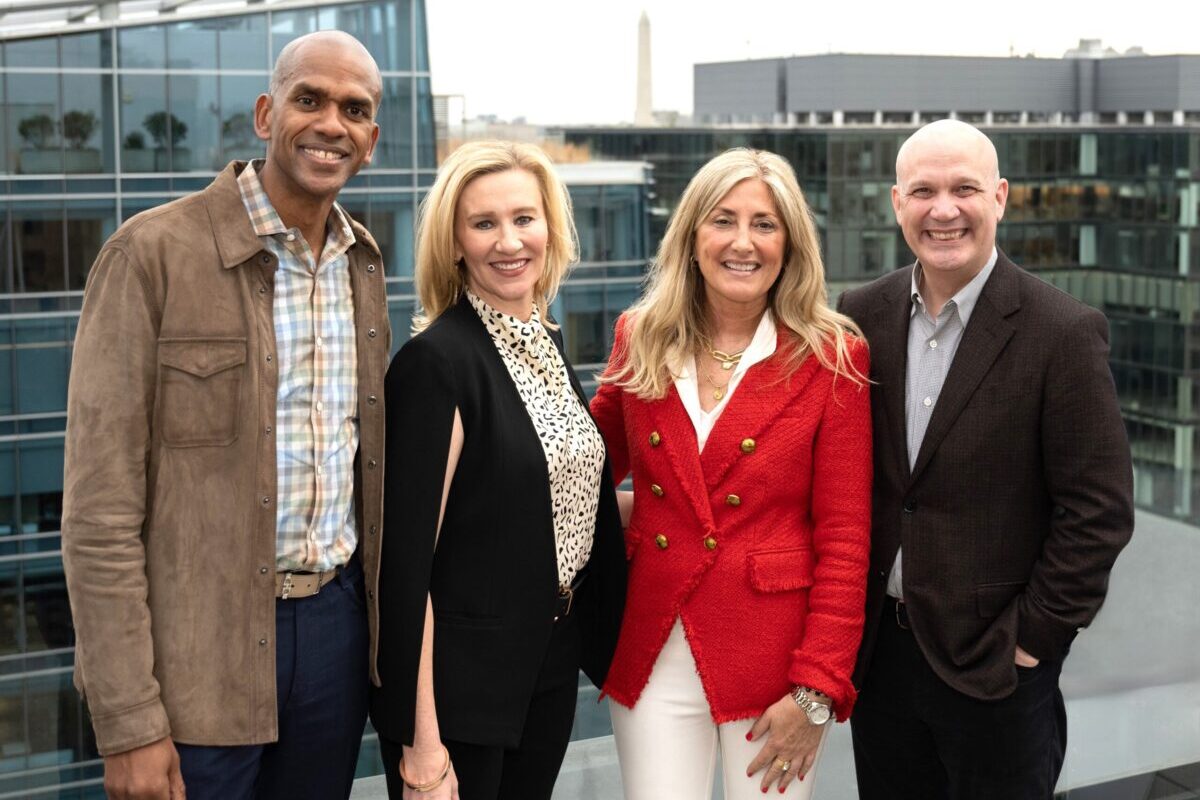
Virginie de Visscher, senior director of business development at Destination Canada Business Events, on sustainability, collaboration, and turning obstacles into opportunities.
Virginie de Visscher is the senior director of business development at Destination Canada Business Events. Discussing and dealing with environmental change and sustainability is an important part of her work.
De Visscher didn’t expect to end up in the tourism or meetings industry, having studied bioengineering in Belgium before working in humanitarian aid throughout Africa, including in the Congo and Zimbabwe, before moving to Canada. Her first foray into the tourism and meetings sector was through an introduction to Tourism Winnipeg via a friend, where she led their ambassador program. Following a year and a half with Tourism Winnipeg, she moved to Destination Canada, where she continues to work.
Subscribe to the Skift Meetings Podcast: Apple Podcasts | Spotify | Overcast | Pocket Casts | Google Podcasts | Amazon | RSS
Focus on Sustainability
Destination Canada has launched a national program to improve business events’ sustainability practices. This strategic approach includes three phases; education; understanding their current standing with sustainability initiatives; and storytelling. They are currently halfway through the education phase.
De Visccher notes that nationally, organizations were all at various stages of embracing and working on sustainability. Oftentimes people shy away from discussing or engaging with areas that they don’t feel comfortable or knowledgeable in such as environmental change. Thus, education had to be a focus. The reaction has been very positive, creating an environment of collaboration whilst stressing that the conversation and importance of sustainability belong to all. Thus everyone has to be part of that journey.
One thing de Visscher has noticed during this process is that change is uncomfortable. For many people, the role of sustainability doesn’t fall into their job description. Still, we must figure out how to integrate it into our work. Education can help ease this discomfort, and there are benefits when you move outside of your comfort zone and embrace making sustainability part of your role.
Change Is Needed
Following the pandemic, many believed that the way we host and attend events would never be the same again, but as De Visscher points out, not much has changed in many instances. For her, obstacles are simply challenges that we need to overcome and which, in turn, provide opportunities. However, she adds that this realization that post-pandemic events resembled those from before the pandemic highlighted a potential obstacle. She adds that she sees herself as an agent of change. Actively trying to move people outside of their comfort zones and thus trying to continue moving the conversation forward whilst others are trying to remain rooted, or regress can be difficult.
When considering the role of sustainability from a business perspective, de Visscher doesn’t believe that it should be considered a competitive advantage but instead a collaborative one. After all, collaboration is at the heart of sustainability, and dealing with environmental change requires everyone to work together. It provides opportunities to make connections within and across industries and nations. In her work, De Visscher collaborates with other countries and cities through events and by sharing knowledge.
De Visscher also dives into the areas of sustainability that the meetings and events industry is doing well, where it needs to improve, the future of sustainability within the industry, and more.
Head to your favorite podcast app now to hear the full conversation! Hit subscribe whilst you’re there to ensure you never miss an episode.